By Camp & Trail Guide
Free camping is no longer a niche habit. In 2025, 59.8% of campers camped for free at least once, and the cost-driven shift toward dispersed camping on public land is one of the clearest changes in recent camping research. Dispersed camping — camping outside a developed campground, usually on public land, without hookups, water, or services — can be a wonderful way to camp. It can also get you moved on, fined, or stuck in a bad spot if you assume the rules are the same everywhere.
They are not. The single most important rule about dispersed camping is that there is no single rule. Stay limits, fire rules, vehicle rules, and permit requirements vary by agency, by forest or district, and sometimes by road. This guide explains the framework, the local rules you must check, and the habits that keep free camping legal and welcome.
What Dispersed Camping Means
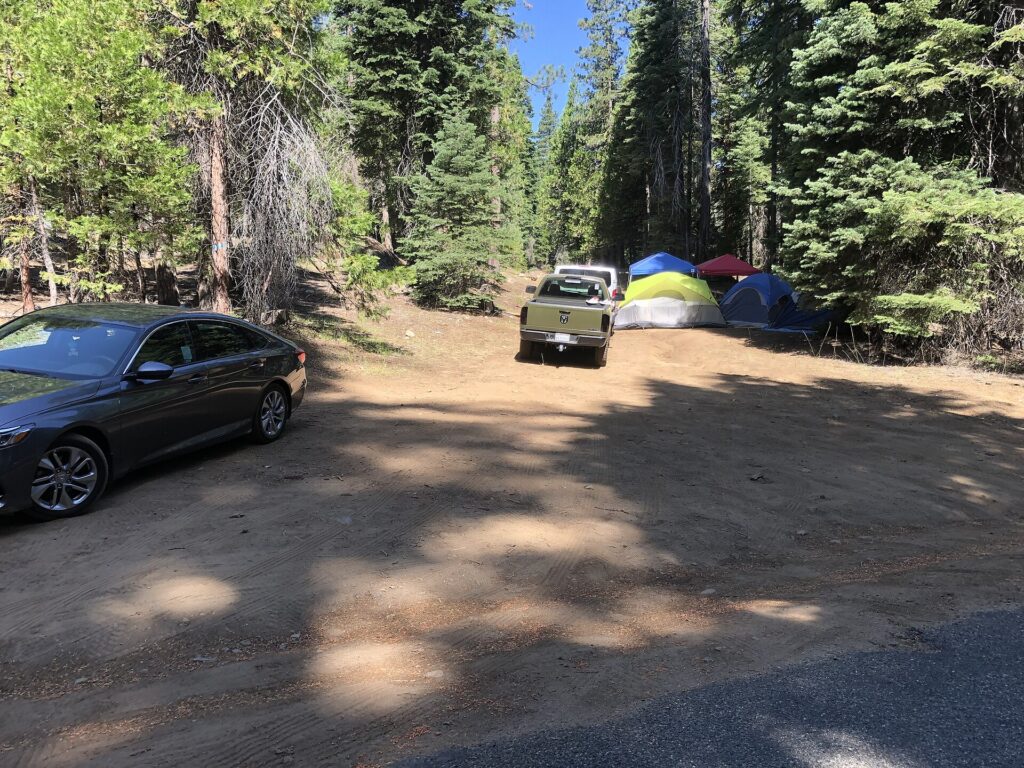
Dispersed camping means camping outside a designated campground, in an area where it is allowed, without the facilities of a developed site. There is usually no picnic table, fire ring, toilet, trash can, water tap, or campground host. You bring your water, your food, your toilet solution, and your way of leaving no trace. You also choose your own spot within the allowed area, which is part of the appeal and part of the responsibility.
Local Rules Only: Stay Limits Vary
Never plan around a generic stay limit. The standard limits cited in dispersed-camping guides are a starting point for your research, not a rule you can quote to a ranger. The Bureau of Land Management standard is 14 days in 28 days, then you must move 25 miles or more. Most national forests use 14 days in 30 days. Montana forests allow 16 days in one guide’s account. Those three figures already show why a generic “14 days” line is unsafe: the agency, the period, the move distance, and even the day count can differ.
Before any dispersed trip, check the specific forest, district, or field office for your area. Look for the current stay limit, the required move distance, whether camping is allowed only in designated dispersed sites or anywhere suitable, vehicle and road restrictions, and any seasonal closures or fire orders. A five-minute check with the managing agency can save a forced move in the dark or a citation.
California adds a distinctive local requirement: a free campfire permit is required for a stove or fire on federal land in California. That permit is free, but it is still required, and it is a good example of why local rules matter. A camper who knows the national-forest stay limit but misses a state-level permit requirement is still out of compliance.
Leave No Trace Basics for Dispersed Sites
Dispersed camping survives only if dispersed campers leave sites in good condition. The basics are simple, and they matter more without a host or a trash service to clean up after you.
- Camp on durable surfaces where possible, and avoid creating new sites in fragile areas.
- Pack out everything you bring in, including food scraps, trash, and toilet paper.
- Use a proper human-waste solution for the area, and follow local rules for distance from water and trails.
- Keep fires small and legal, use existing fire rings where required, and make sure a fire is fully out.
- Respect wildlife: store food properly, keep a clean camp, and give animals distance.
- Leave the site as you found it, or better, so the next camper finds a usable spot.
Vehicles, Roads, and Safety
Dispersed camping often involves unpaved roads, and road conditions change with weather. A road that is fine in dry weather can become impassable after rain or snow. Check road conditions, carry a map that works offline, and do not rely on a phone signal that may not exist at the site. Tell someone your plan and your expected return, especially for a remote site.
Fire safety is part of vehicle and site safety together. During fire season, fire bans may prohibit campfires entirely, and sometimes stoves as well, depending on the order. A fire ban is not a suggestion. Check the current order for your exact area before you light anything, and carry a stove alternative if fires are banned.
Winter Desert Dispersed Camping
Dispersed camping has a seasonal geography that surprises many campers. While mountain areas are snowbound in winter, the desert Southwest stays comfortable. Dispersed guides route winter trips to the Desert Southwest, where Arizona, Utah, Nevada, and New Mexico stay comfortable while the mountains sleep under snow. Winter boondocking near Quartzsite in Arizona is a well-known example of that seasonal pattern.
Compare the Cost Honestly
Dispersed camping removes the nightly site rate, which is why it features so strongly in trip-cost planning. But it does not remove fuel, food, water, gear, and vehicle wear, and it adds self-sufficiency costs in time and equipment. Our trip cost calculator lets you compare a paid-site trip with a dispersed trip on the same route, so you can see what free camping actually saves for your group and distance.
For area planning, see our guides to camping Utah’s Mighty Five and Moab and camping in California beyond Yosemite. Utah is the heart of the dispersed story, and California shows how a single state’s permit rule can change your checklist.
Frequently Asked Questions
Is dispersed camping free?
The site itself is usually free, but the trip still costs fuel, food, water, and gear, and dispersed sites provide no hookups, water, toilets, or trash service.
How long can I stay at a dispersed site?
It depends on the local rule. The BLM standard cited in guides is 14 days in 28 days, then move 25 miles or more; most national forests use 14 in 30; Montana forests allow 16 days in one guide’s account. Always check the specific forest or field office for your area.
Do I need a permit for a campfire?
It depends on where you are. California, for example, requires a free campfire permit for a stove or fire on federal land. Fire bans can also prohibit fires entirely during fire season, so check the current order for your exact area.
Can I camp anywhere on public land?
No. Dispersed camping is allowed only where the managing agency allows it, and many areas are closed for habitat, watershed, fire, private-land, or heavy-use reasons. Check the local rules before you go.
Free camping rewards the camper who checks local rules first and leaves no trace. You can compare paid and dispersed trip costs at Camp & Trail Guide tools.